
Mountain Wildlife: the idea in context
Consider harsh terrain, access barriers and species needs in upland regions.
In the proposed GWRI framework, this subject relates particularly to remote access, altitude and fragile habitats. It can inform future discussion about wildlife welfare, ecosystem stewardship and carefully evaluated response planning.
Important context: GWRI describes itself as a visionary project in its bootstrapping phase. These are proposed concepts, not operating rescue services, existing field units, or confirmed facilities.
Different species, different needs
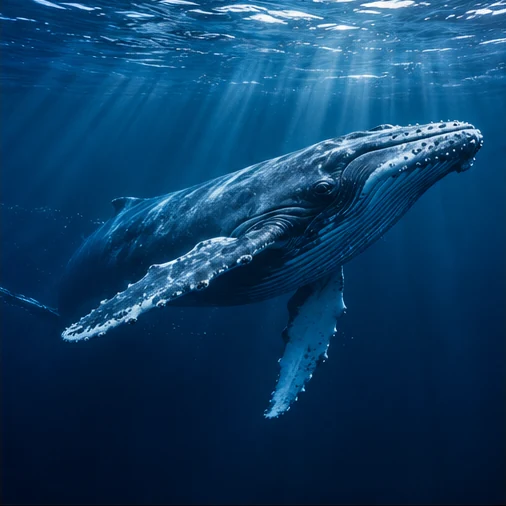
Conservation cannot rely on one solution for every habitat. Large mammals, migratory birds, marine life and polar species each face unique ecological pressures and welfare considerations.
Protect the whole living system
A future response plan should begin with a sound understanding of local ecology and not disturb animals unnecessarily. The examples here illustrate conservation challenges, not operational GWRI projects.
What responsible next steps could involve
- Clarify objectives and document the potential benefits for the animals and habitats affected.
- Seek suitable ecological, veterinary and community input before any proposed trial.
- Identify legal permissions, funding and risk controls needed for possible future work.
- Distinguish aspirational milestones from actions that have actually been verified.