
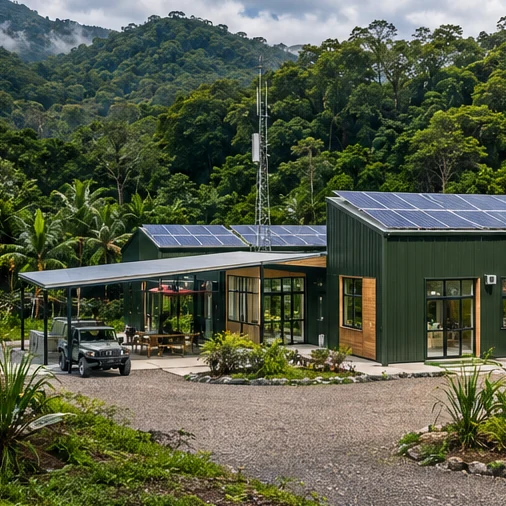
Land-Based Response Hubs: the idea in context
Understand the concept of resilient rescue locations near forests, grasslands and vulnerable terrestrial habitat.
In the proposed GWRI framework, this subject relates particularly to terrestrial access and low-impact site planning. It can inform future discussion about wildlife welfare, ecosystem stewardship and carefully evaluated response planning.
Important context: GWRI describes itself as a visionary project in its bootstrapping phase. These are proposed concepts, not operating rescue services, existing field units, or confirmed facilities.
The landscape shapes the design
A hypothetical response site must fit the surrounding habitat. Access, maintenance, extreme weather, veterinary support and low-impact energy are important factors to assess before a facility could be viable.
Future sites, not existing sites
GWRI presents these as ideas for a possible global network. The concept does not establish that any site has been funded, constructed or staffed.
What responsible next steps could involve
- Clarify objectives and document the potential benefits for the animals and habitats affected.
- Seek suitable ecological, veterinary and community input before any proposed trial.
- Identify legal permissions, funding and risk controls needed for possible future work.
- Distinguish aspirational milestones from actions that have actually been verified.